Proper preparation for cold weather begins with a sound understanding of layering systems, with the base layer serving as the foundation for effective insulation and moisture management. In this guide, Ben from Vector Tactical delves into the critical role of base layers and their contribution to maintaining comfort, performance, and safety in demanding environments.
Introduction and Background
As a professional with extensive experience in challenging environments, I draw upon a 15-year career in the British Army and subsequent roles as a Hostile Environment Contractor specializing in Crisis Response. My experiences hiking, backpacking, and operating in diverse and often unforgiving terrains have informed my approach to cold-weather preparation and layering systems. This rich experience underpins the advice presented here.
The Stackable Layering System
The stackable layering system is a versatile approach that prioritizes efficiency and adaptability. It eliminates the need to remove one layer in order to add another, allowing the user to quickly adjust to changing weather conditions or activity levels. This system is designed to conserve time and energy while ensuring optimal protection from the elements.
Defining the Base Layer
The base layer, also referred to as the next-to-skin layer, performs two essential functions:
- Moisture Management: It wicks sweat away from the skin, facilitating evaporation and preventing the cooling effect caused by trapped moisture.
- Insulation: While its primary role is moisture control, the base layer also provides a baseline level of warmth.
To maintain its effectiveness, the base layer must remain breathable. Impermeable layers such as rain or puffy jackets should not be worn directly over it, as they inhibit moisture transfer, leading to overheating or dampness.
Material Options for Base Layers
Selecting the appropriate fabric for a base layer is paramount to its performance. Below is an analysis of the most common materials:
- Cotton (Not Recommended)
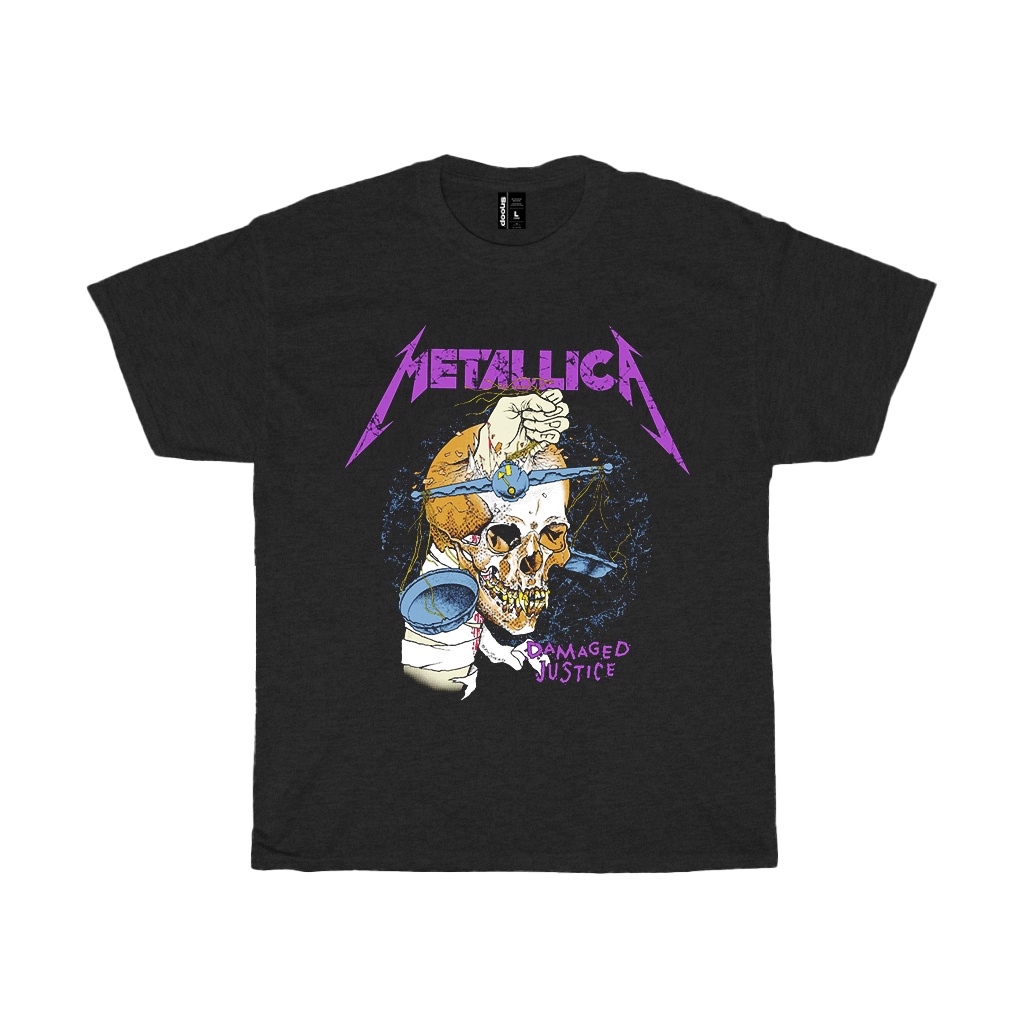
Cotton is unsuitable for cold-weather use due to its tendency to absorb and retain moisture. Once wet, it loses its insulating properties and dries slowly, increasing the risk of hypothermia. The adage “cotton kills” highlights the dangers of this material in such conditions.
- Synthetic Fabrics (Polyester, Nylon)
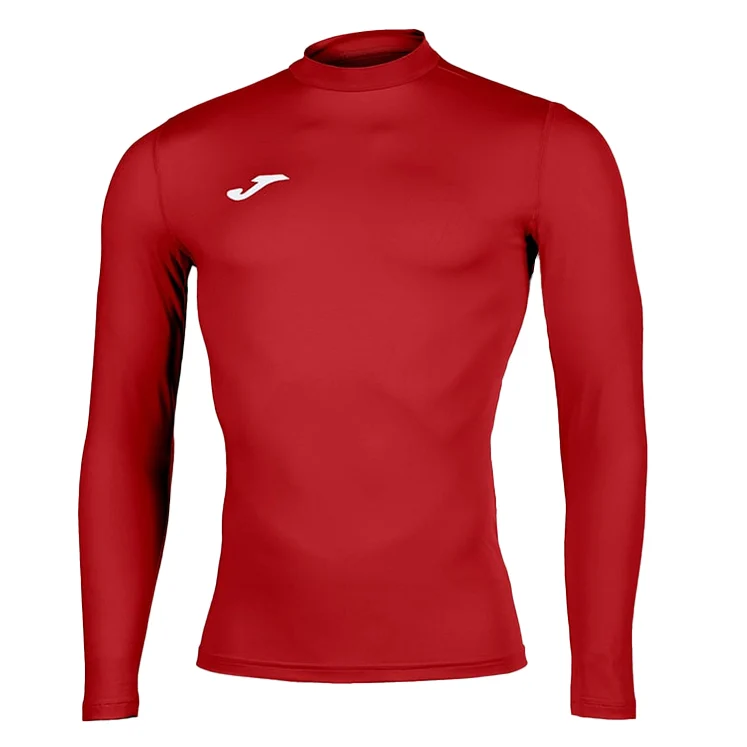
Synthetic materials are engineered for moisture management and quick drying.
Advantages:
- Excellent wicking and insulation properties, even when wet.
- Lightweight, compact, and generally affordable.
- Often treated with antimicrobial finishes to reduce odour.
Disadvantages:
- Susceptible to odour build-up during extended use.
- Flammable and prone to melting when exposed to heat or flame.
- Wool (Merino Wool)

Merino wool is a natural fibre renowned for its versatility and superior performance in cold weather.
Advantages:
- Naturally odour-resistant, making it ideal for extended use.
- Flame-resistant and will not melt when exposed to heat.
- Retains insulating properties even when wet.
Disadvantages:
- Slower drying compared to synthetic fabrics.
- Requires careful maintenance, including gentle washing and air drying.
- Generally, more expensive than synthetic alternatives.
Modern Advancements:
Contemporary merino wool products are significantly softer and more comfortable than traditional wool garments, making them a viable option for next-to-skin layers.
- Blended Fabrics
Blended fabrics combine the strengths of wool and synthetics, providing a balanced option.
Advantages:
- Faster drying than pure wool.
- Enhanced durability, reducing susceptibility to holes and tears.
Example: A blend of 90% wool and 10% nylon offers the warmth and odour-resistance of wool with the durability and quicker drying of synthetic fibres.
Fabric Weights and Applications
Base layers are categorised by their thickness, which influences their suitability for various conditions:
- Lightweight: Ideal for mild temperatures or high-activity levels.
- Midweight: A versatile option for cold-weather conditions, balancing warmth and breathability.
- Heavyweight: Best suited as a secondary layer for insulation during static or low-activity periods.
Base Layer Bottoms
Historically, base layer bottoms posed challenges due to the need to remove footwear to adjust them. However, advancements in design, such as zippered base layer bottoms, now allow users to don or remove these garments without removing their boots.
Three-Quarter Length Designs:
These options stop just above the ankle, reducing bulk and integrating smoothly with socks, while maintaining adequate insulation.
The Importance of Underwear
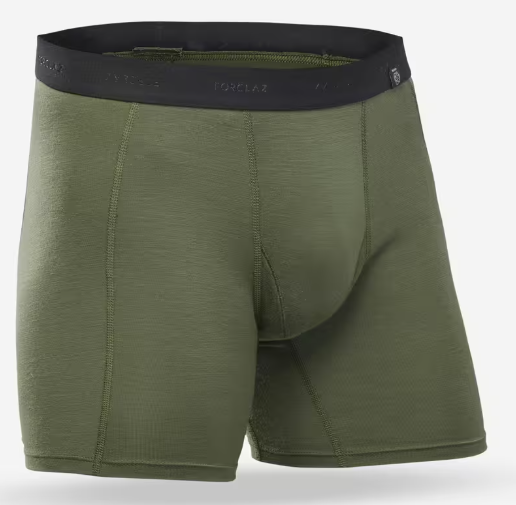
Selecting appropriate underwear is critical for comfort and hygiene. Wool-synthetic blends, such as 75% wool and 25% synthetic, are highly effective in the field due to their:
- Odour resistance, enabling extended wear.
- Flame resistance, enhancing safety in hazardous conditions.
Although these products may be more costly, their durability and performance justify the investment.
Pro Tips for Base Layer Selection
- Field Testing: Experiment with different base layers in real-world conditions to determine what works best for your needs.
- Strategic Layering: Lightweight fabrics are optimal for high activity, while midweight layers offer versatility in fluctuating conditions.
- Proper Maintenance: Follow care instructions diligently to extend the lifespan and performance of wool garments.
- Durability Considerations: Synthetic fabrics generally withstand wear and tear better than lightweight wool.
Conclusion
The base layer serves as the cornerstone of an effective cold-weather layering system. Its ability to manage moisture and provide insulation is vital to maintaining comfort and safety in adverse conditions.
Future instalments in this series will address additional layers, such as wind and insulation layers, and debunk common misconceptions about their use. Thank you for reading, and we look forward to guiding you through the next steps in mastering cold-weather preparation.